Vintage Wedding Dresses: Era-by-Era Guide

All images in this post were created with Try My Dress. Upload your photo and see yourself wearing any dress style in seconds. Try on wedding dresses, guest outfits, or any dress you can imagine. Try it free →
Vintage Wedding Dresses: How to Find Timeless Bridal Style in 2026
There's something about a vintage wedding dress that feels irreplaceable. Maybe it's the craftsmanship that mass-produced gowns can't replicate. Maybe it's wearing something with history, with a story woven into every seam. Or maybe you just love the aesthetic of a different decade and want your wedding to reflect that.
Whatever draws you to vintage, the options are wider and more accessible than ever. You don't need to inherit a family heirloom or spend months digging through estate sales (though you can). Modern designers are creating vintage-inspired gowns alongside authentic vintage pieces, and the result is a market full of gorgeous dresses with old-world character.
Here's how to navigate it all.
Vintage Wedding Dress Styles by Decade
Each era has a distinct aesthetic. Knowing which decade speaks to you is the fastest way to narrow down your search.
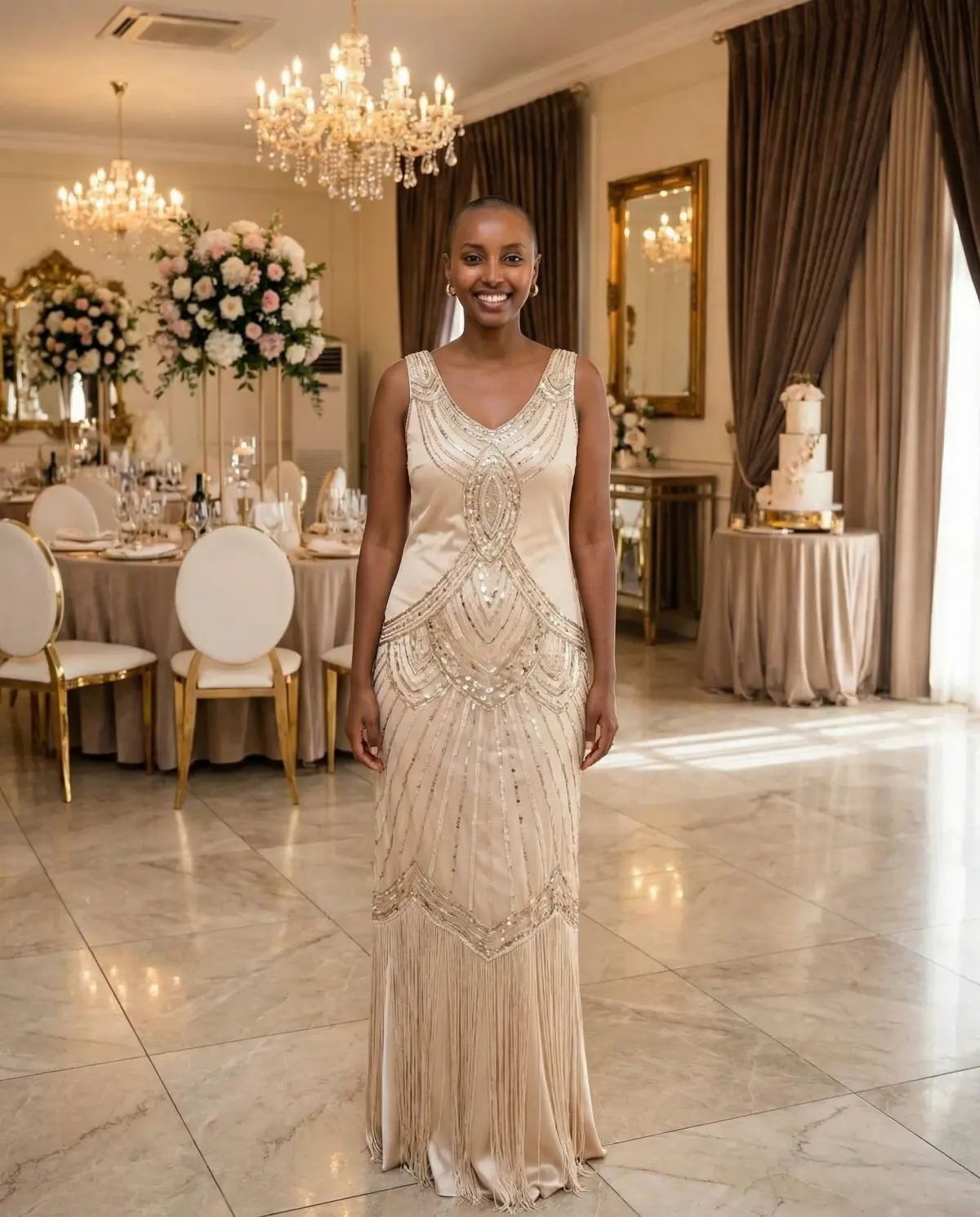
1920s: The Great Gatsby Era Think dropped waists, beaded fringe, art deco embellishments, and straight or column silhouettes. These dresses sat loose through the hips and were heavily embellished with geometric beading. Modern versions often come as beaded overlay gowns that capture the glamour without the fragility of a 100-year-old garment. Best for: ballroom receptions, New Year's Eve weddings, art deco venues.
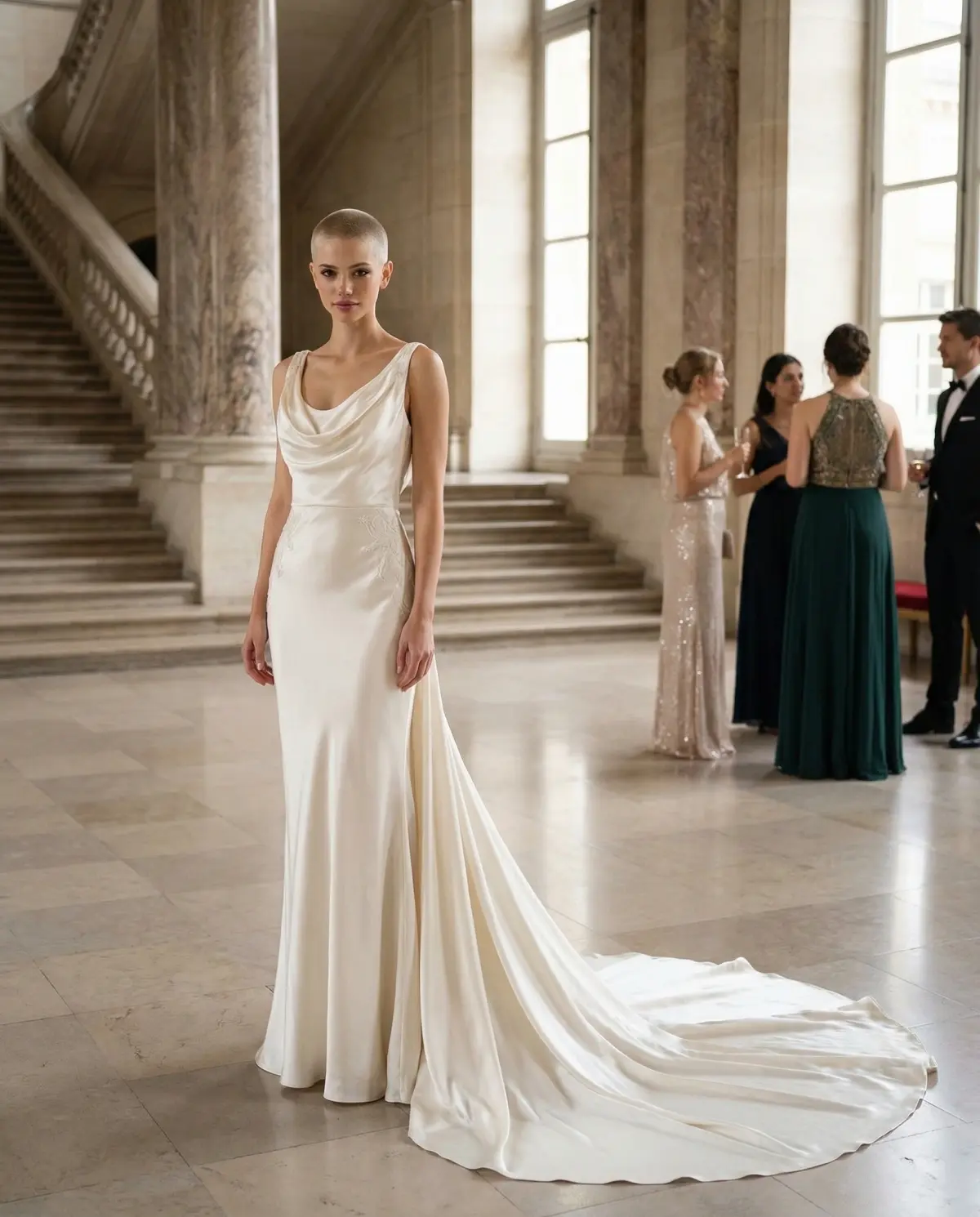
1930s and 1940s: Old Hollywood Glamour Bias-cut satin gowns that skim the body like liquid. These are the dresses that made women look like movie stars, with cowl necklines, deep V-backs, and long flowing trains. The 1940s added more structure with padded shoulders and nipped waists. Best for: elegant evening weddings, hotel ballrooms, intimate candlelit ceremonies.
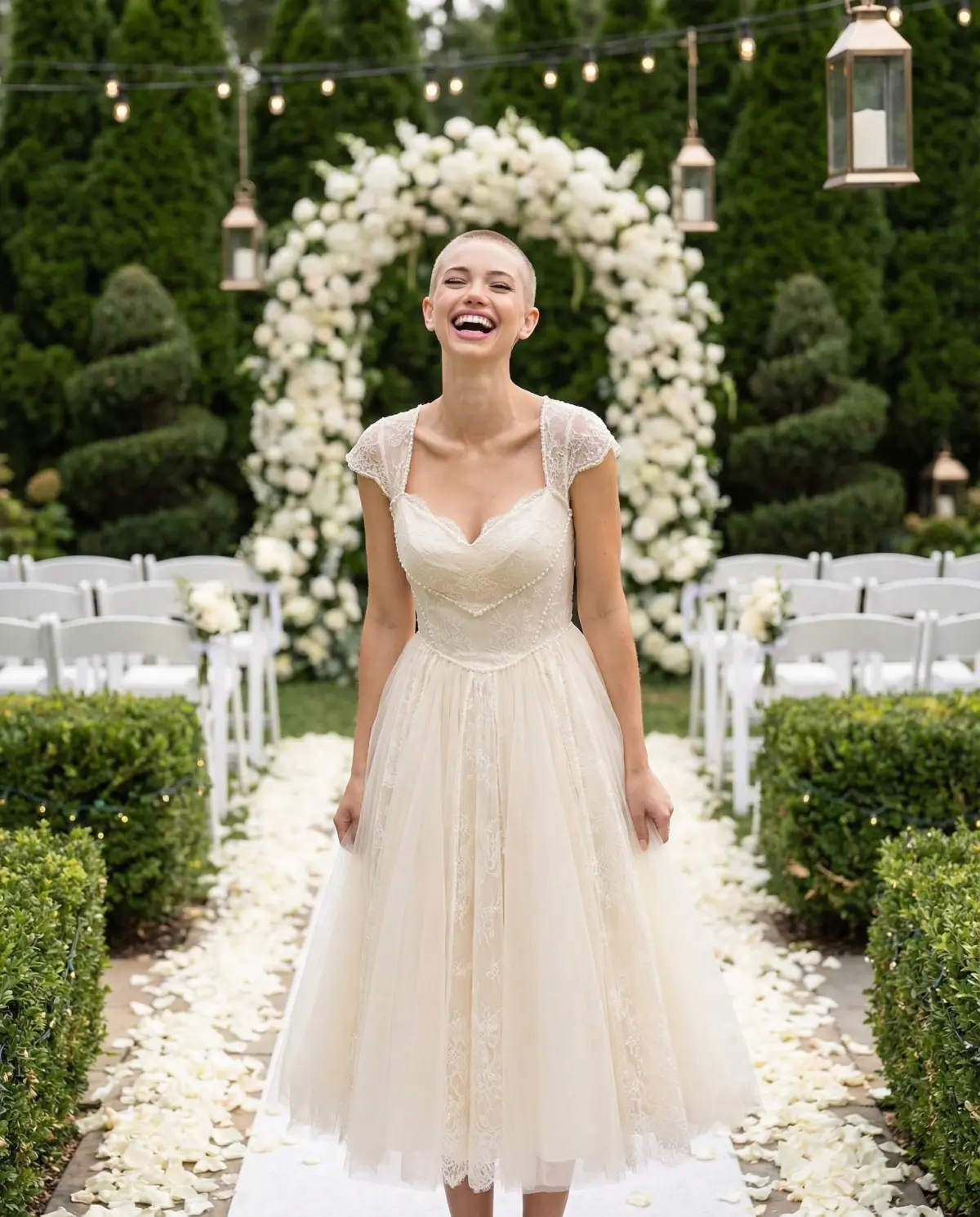
1950s: Full Skirts and Polished Charm Tea-length or ballerina-length dresses with full circle skirts, fitted bodices, and often lace or tulle overlays. Think Grace Kelly meets your favorite retro diner. Sweetheart and bateau necklines dominate this era. Best for: garden parties, retro-themed weddings, courthouse ceremonies, afternoon celebrations.
1960s: Mod and Minimal Clean lines, shorter hemlines, and architectural shapes. Shift dresses, A-line minis, and column gowns in heavy crepe or structured fabrics. Jackie Kennedy's influence is everywhere in this decade: simple, polished, and quietly luxurious. Best for: city hall weddings, modern art gallery venues, intimate elopements.
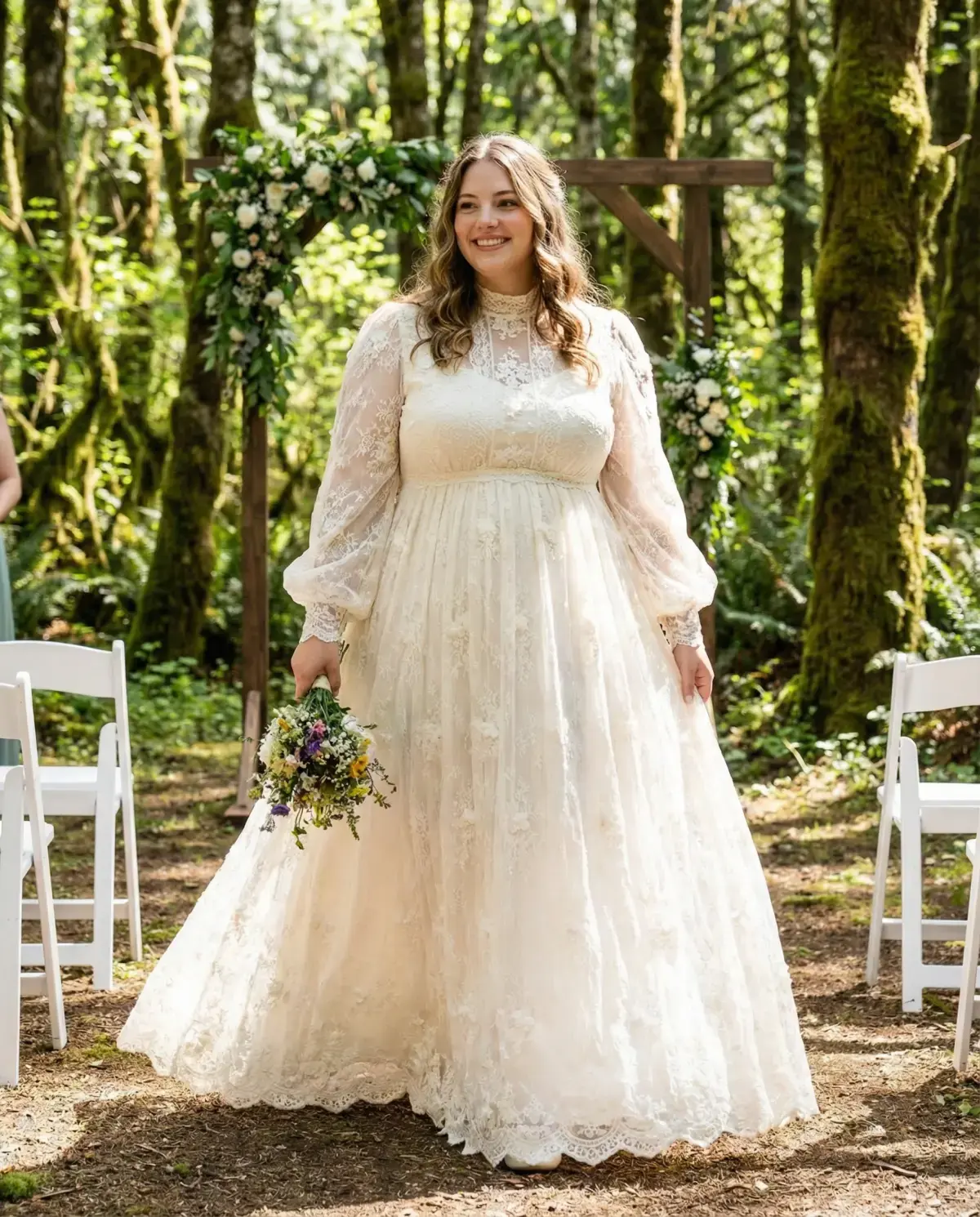
1970s: Boho Romance Bell sleeves, empire waists, crochet lace, macrame details, and flowing fabrics. The 1970s bridal look is the ancestor of today's boho wedding dress, and it's still wildly popular. Think prairie-inspired dresses with high necklines and long, flowing skirts. Best for: outdoor weddings, forest ceremonies, festival-style receptions.
1980s: Drama and Volume Puff sleeves, dramatic trains, heavily beaded bodices, and cathedral veils. The 1980s were the decade of "more is more" in bridal fashion. Princess Diana's dress defined the era, but there were also gorgeous structured gowns with cleaner lines for brides who wanted drama without the poof. Best for: grand church weddings, formal evening receptions, brides who love maximalism.
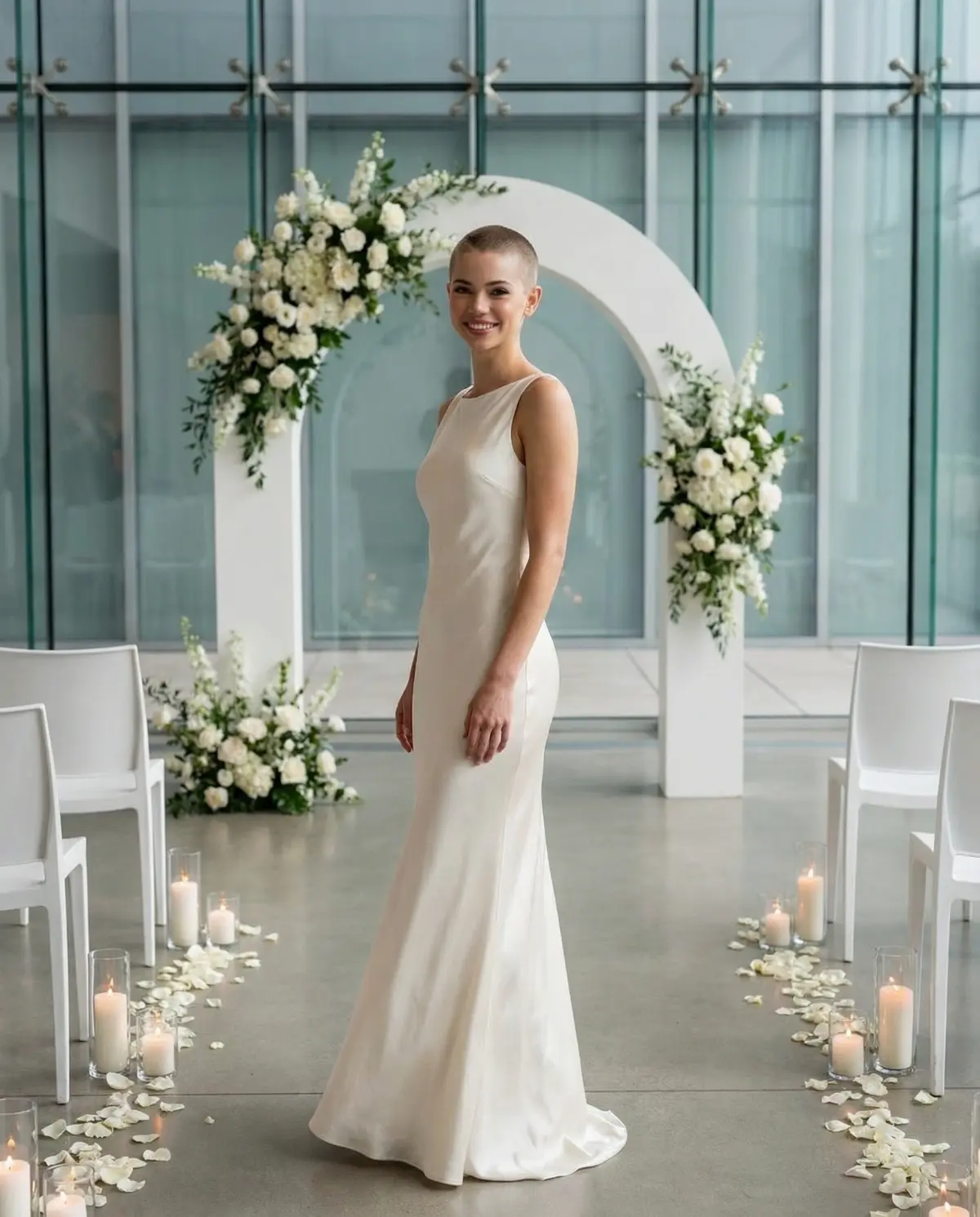
1990s: Sleek Sophistication Minimalist slip dresses, clean satin columns, and understated elegance. Carolyn Bessette-Kennedy's bias-cut slip dress is the defining image of 1990s bridal, and it hasn't lost an ounce of its appeal. Best for: modern minimalist weddings, rooftop ceremonies, restaurant receptions.
Authentic Vintage vs. Vintage-Inspired: What's the Difference?
Authentic vintage means an actual dress from that era. These can be stunning, but they come with practical considerations:
- Sizing runs differently (often smaller in the bust and waist)
- Fabrics may be fragile and require careful handling
- Alterations can be tricky on older construction
- Dry cleaning or preservation may be more involved
- They're one-of-a-kind, which is part of the appeal
Vintage-inspired means a new dress designed with vintage aesthetics. These offer:
- Modern sizing and construction
- More durable fabrics and lining
- Easier alterations
- Standard return policies if you order online
- The look without the logistical challenges
Both are valid choices. Some brides specifically want the romance of wearing something with real history. Others want the 1970s boho look with 2026 comfort and fit.
Where to Find Vintage Wedding Dresses
- Estate sales and vintage shops: Hit or miss, but when you find something, it's magical.
- Etsy: Huge selection of both authentic vintage and vintage-inspired gowns. Read reviews carefully and ask for measurements.
- Consignment bridal shops: These carry pre-owned modern dresses, but some also stock true vintage gowns.
- Specialty vintage bridal boutiques: These curate collections of restored, cleaned, and ready-to-wear vintage wedding dresses. They're the easiest route for authentic pieces.
- Modern designers with vintage-inspired lines: Brands like Anthropologie, Jenny Yoo, and Reformation create dresses that channel specific decades without the challenges of actual vintage.
How to Style a Vintage Wedding Dress
The key to making vintage work at a modern wedding is balancing old and new:
- 1920s-1930s: Art deco jewelry, finger waves or a sleek updo, T-strap heels, a beaded clutch.
- 1950s: Pearl earrings, a birdcage veil, kitten heels or Mary Janes, a petticoat for volume.
- 1960s-1970s: Flower crown, loose waves, platform sandals or block heels, natural greenery bouquet.
- 1980s: Statement veil, bold earrings, pointed-toe pumps. Lean into the drama rather than fighting it.
- 1990s: Minimal jewelry, sleek hair, strappy sandals, a simple bouquet of white flowers.
Don't feel locked into era-accurate accessories. A 1950s tea-length dress with modern minimalist styling can look incredible. Mix decades if that feels more like you.
Practical Considerations for Vintage Gowns
A few things to think about before committing:
- Get exact measurements. Vintage sizing doesn't map to modern sizing. Measure your bust, waist, hips, and shoulder width, then compare against the garment's measurements rather than any listed "size."
- Budget for alterations. Vintage dresses almost always need some work. Factor in an extra $200-500 for a skilled seamstress.
- Inspect carefully. Look for yellowing, fabric deterioration, missing beads or buttons, and weakened seams. Some of these are easy fixes; others signal a dress that won't hold up.
- Plan for preservation. If you want to keep the dress after the wedding, proper preservation is worth the investment.
See Vintage Styles on Yourself First
One of the biggest challenges with vintage wedding dresses is that the silhouettes are so varied. A dropped-waist 1920s column looks nothing like a full-skirted 1950s tea-length, and both look nothing like a 1990s slip. You might think you want one era but discover another flatters you more.
TryMyDress lets you upload your photo and try on different vintage-inspired silhouettes. Test a 1950s full skirt against a 1970s boho flow against a 1990s minimalist slip. See which decade's aesthetic actually looks best on your body and with your features. It's the fastest way to figure out your vintage direction before spending hours searching for the real thing.
A vintage wedding dress isn't just clothing. It's a point of view. It says you care about craftsmanship, you appreciate beauty that lasts, and you want your wedding day to feel like something only you would create.
Where to Shop
Once you know which styles look best on you, shop here:
- Anthropologie BHLDN – Strongest US selection of vintage-inspired bridal — 1920s beaded drop-waist gowns, 1930s bias-cut slips, and 1970s boho lace, curated under one roof with free US shipping. Shop BHLDN →
- Reformation Bridal – Bias-cut silk slips and minimalist 1990s-inspired column gowns. Ideal for brides channeling Carolyn Bessette-Kennedy or 1930s Old Hollywood with modern sizing. Shop Reformation Bridal →
- David's Bridal – Affordable vintage-inspired silhouettes — 1950s tea-length lace, 1920s beaded drop-waists, and 1980s princess puff-sleeves at approachable price points, with nationwide try-on locations. Shop David's Bridal →
- Grace Loves Lace – Free-spirited 1970s boho gowns with botanical lace and crochet details. Ships from the US with in-person fittings in LA, NYC, and Miami. Shop Grace Loves Lace →
Explore These Styles
See AI-generated images for these dress silhouettes:
- A-Line Dresses →Classic silhouette that flares gently from the waist, flattering on all body types.
- Fit & Flare Dresses →Fitted through the bodice and hips, flaring out at the knee.
- Drop Waist Dresses →Waistline sits below the natural waist, elongating the torso.
- Trumpet Dresses →Similar to mermaid but flares at mid-thigh for more movement.