Fall Wedding Guest Dresses: Color, Fabric & Outfit Ideas by Month (2026)

All images in this post were created with Try My Dress. Upload your photo and see yourself wearing any dress style in seconds. Try on wedding dresses, guest outfits, or any dress you can imagine. Try it free →
Fall wedding season is the trickiest one to dress for. The weather can swing from 78 degrees and sunny to 41 and drizzling in a single weekend, and "festive attire" in October means something completely different than "festive attire" in late November. This guide gives you the color, fabric, and silhouette playbook for every type of fall wedding — broken down by month, venue, and dress code — so you can show up confident no matter what the invite throws at you.
The Fall Wedding Guest Cheat Sheet
If you only have thirty seconds, here it is:
| Month | Vibe | Safe Color | Safe Fabric | Skip |
|---|---|---|---|---|
| September | Late summer with autumn hints | Dusty mauve, sage, navy | Crepe, chiffon, light satin | Heavy velvet, dark wool |
| October | Peak autumn — the sweet spot | Burgundy, emerald, rust | Satin, crepe, lace | Anything that reads "summer" |
| November | Cold-weather formality | Wine, plum, chocolate, navy | Velvet, satin, jacquard | Strapless, sleeveless, light fabric |
The biggest mistake guests make: dressing for the calendar instead of the actual conditions. A 75-degree September wedding in Atlanta is still a summer event in disguise. A 38-degree November wedding in Vermont is basically winter. Always check the forecast for the venue's location three days out and pivot accordingly.
Month-by-Month Breakdown
Fall is a three-month season with three different personalities. Treating "fall wedding" like one monolithic dress code is how you end up overheating in velvet at a 80-degree September brunch reception, or shivering through a November ceremony in chiffon. Here's what each month actually demands.
September Weddings
September is a transition month, and most of it still belongs to summer. In the South and on the West Coast, mid-September weddings often feel identical to August events. Even in the Northeast and Midwest, the first three weekends of September usually run warm.
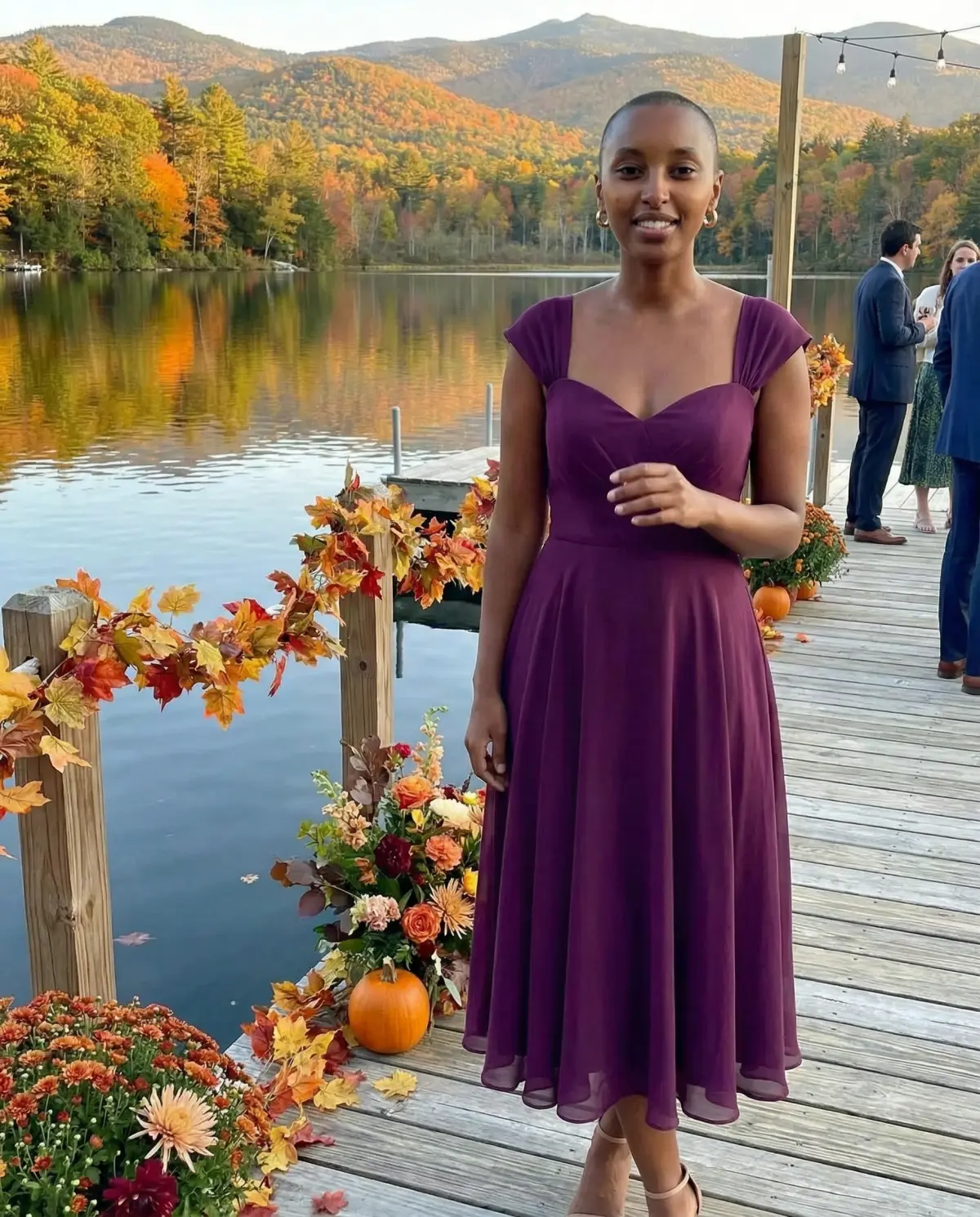
Lean toward late-summer rules: midi florals, lighter fabrics, midweight satin or crepe, and a color palette that bridges the seasons. Dusty mauve, sage, soft navy, and washed terracotta all work — they nod to autumn without committing fully to the heavier jewel tones that define October. Save the deep burgundy velvet for later in the season; in early September it can feel costumey and you'll be uncomfortable.
For shoes, block heels and dressy sandals are still fair game. A light wrap or pashmina handles the chillier evenings without looking like outerwear. If the wedding is on a warm afternoon, a sleeveless midi with a tailored linen-blend blazer reads as polished without overheating.
October Weddings
October is the sweet spot for fall weddings — and for guest fashion. The light is golden, the foliage is at its peak across most of the country, and the temperature usually lands in that perfect 55-to-68-degree range that lets you wear anything from a long-sleeve midi to a satin column dress without compromise.
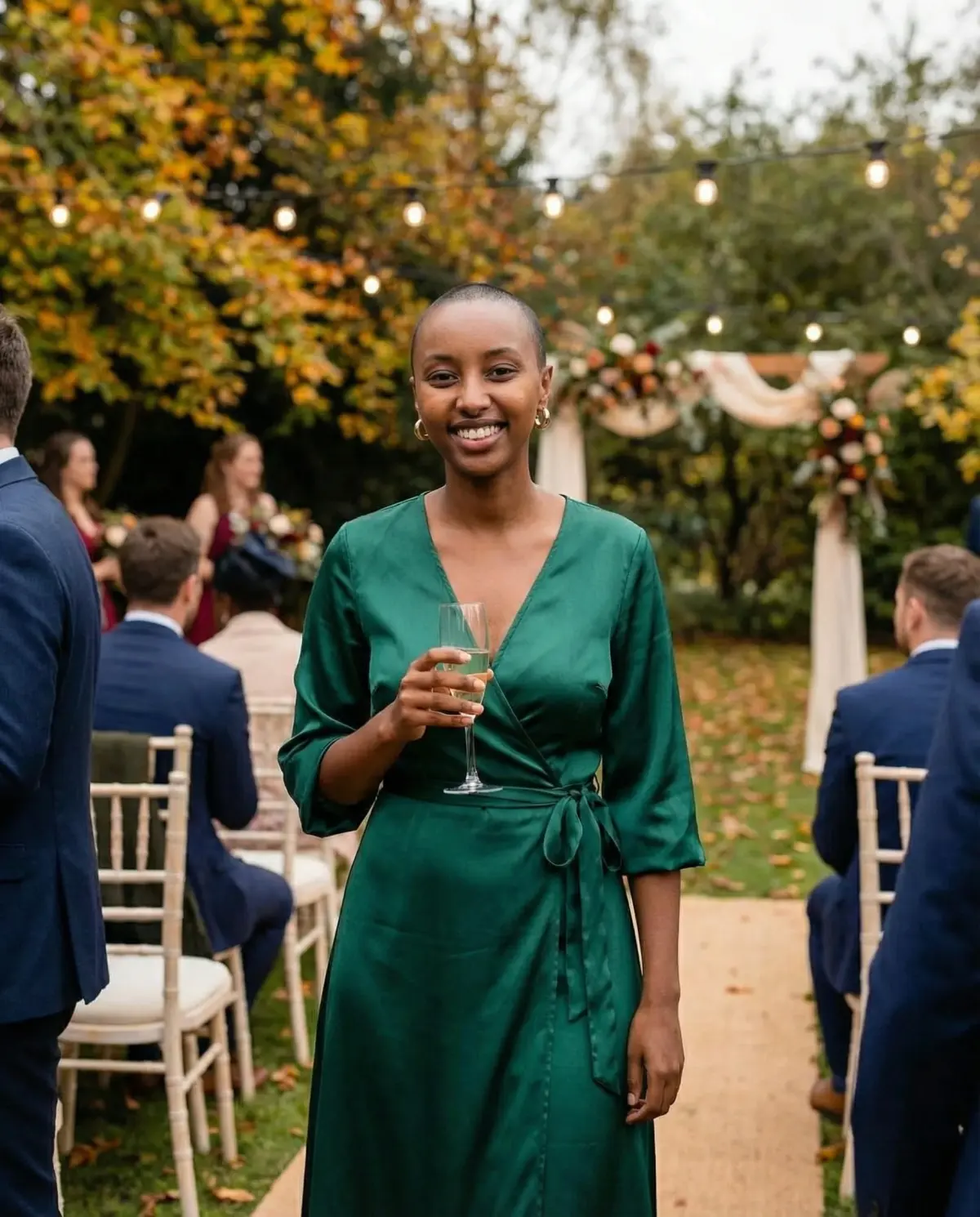
This is when true fall colors land: burgundy, emerald, rust, plum, chocolate, oxblood. Satin and crepe shine — both photograph beautifully against autumn backdrops, and both work across nearly every dress code. Lace overlays add romance without screaming "spring," especially in deeper colors.
Layering becomes a real consideration in October. Bring a structured blazer, a tailored coat, or a heavy wrap. If you're going to a destination wedding in a colder climate, plan for tights and a covered shoulder. October evenings drop fast once the sun sets, and many ceremonies start at 4 or 5 PM specifically to capture the golden-hour light — meaning the reception will be cold.
November Weddings
By November, fall has fully tipped into cold-weather territory. Long sleeves are no longer optional for most regions — they're expected. Velvet stops feeling heavy and starts feeling appropriate. Wraps, faux-fur stoles, and tailored coats become part of the outfit, not afterthoughts.
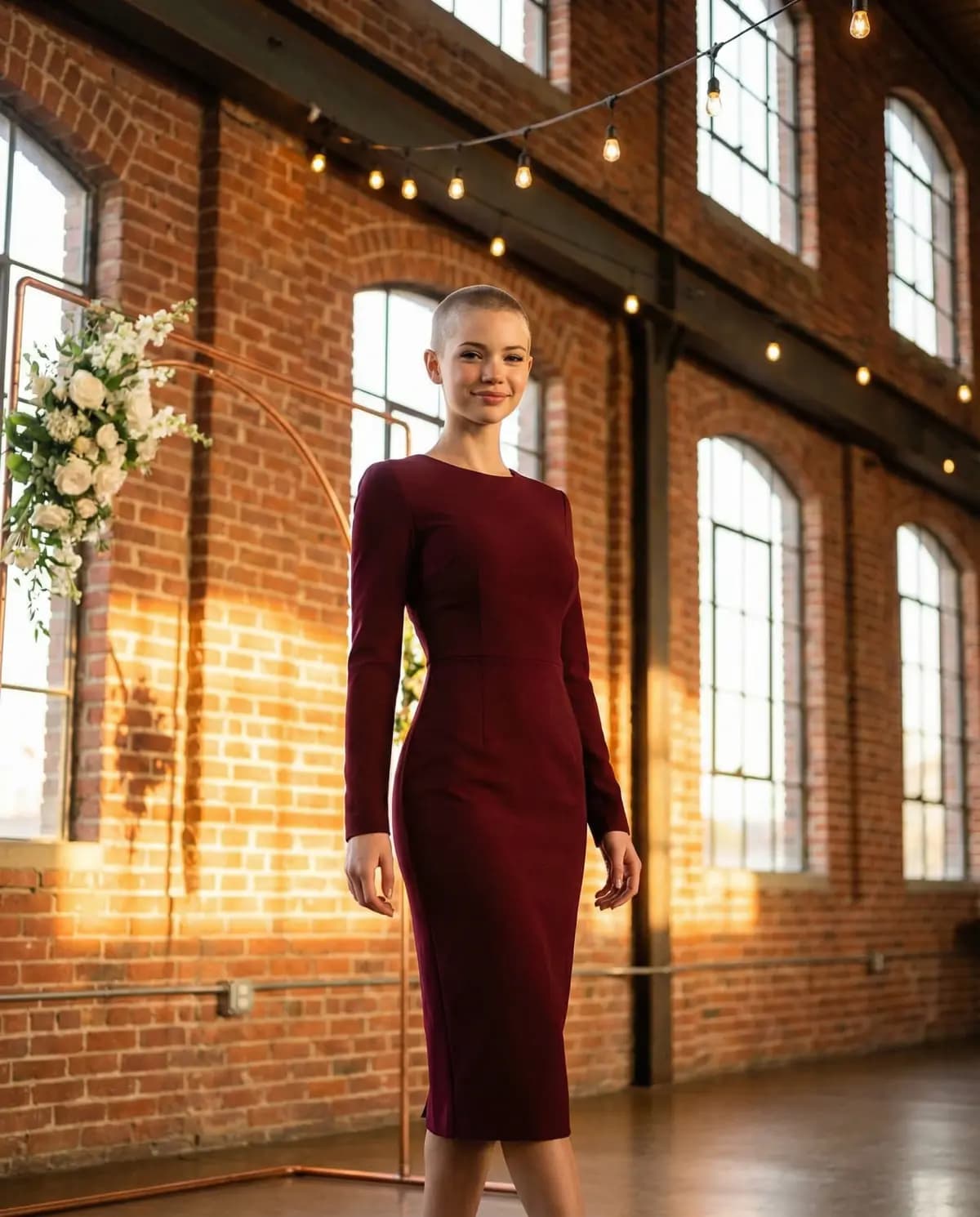
The color palette deepens further: wine, oxblood, eggplant, chocolate brown, navy, charcoal, and the warmer end of black. Jacquard and brocade fabrics start to feel right. Satin still works, but it photographs richer when paired with structured layers like a fitted blazer or a cropped wool coat.
Skip anything strapless, backless, or short for outdoor November weddings. Even a heated tent can run cold once the dance floor empties out and people sit down. Ankle-grazing midi and floor-length silhouettes are smarter than knee-length here, both for warmth and for matching the formality most late-fall weddings call for.
The Complete Fall Color Palette
Fall opens up a range of colors that feel forced or out-of-season any other time of year. But not every "fall color" is a smart pick — some have been done so many times by every other guest that you'll blend into the crowd, and a few cross over into bridal-adjacent territory you should avoid entirely.
| Tier | Colors | Why |
|---|---|---|
| Safe bets | Burgundy, emerald, navy, camel, chocolate, terracotta | Universally flattering, photograph well, formal enough for any dress code |
| Trending 2026 | Chestnut, cognac, dusty mauve, rust, olive | Currently in season at major retailers, less common at weddings, distinctive |
| Overdone | Burnt orange, pumpkin spice, mustard | You will see four other guests in this exact color in October |
| Risky | White, cream, ivory, all-black, summer pastels in November | Bride-adjacent, funereal, or season-mismatched |
Burgundy is the undisputed champion of fall guest dresses for a reason — it flatters nearly every skin tone, reads formal without being severe, and photographs beautifully against fall foliage. You can't really go wrong with it. Just know it's the most popular fall guest color, so if the bride or her party is wearing burgundy, pivot to oxblood, wine, or plum.
Emerald and forest green look incredible in satin or velvet, especially for evening ceremonies. They photograph better than almost any other color under warm reception lighting.
Navy is the year-round workhorse that becomes especially appropriate in fall. It pairs perfectly with gold accessories and works at every formality level.
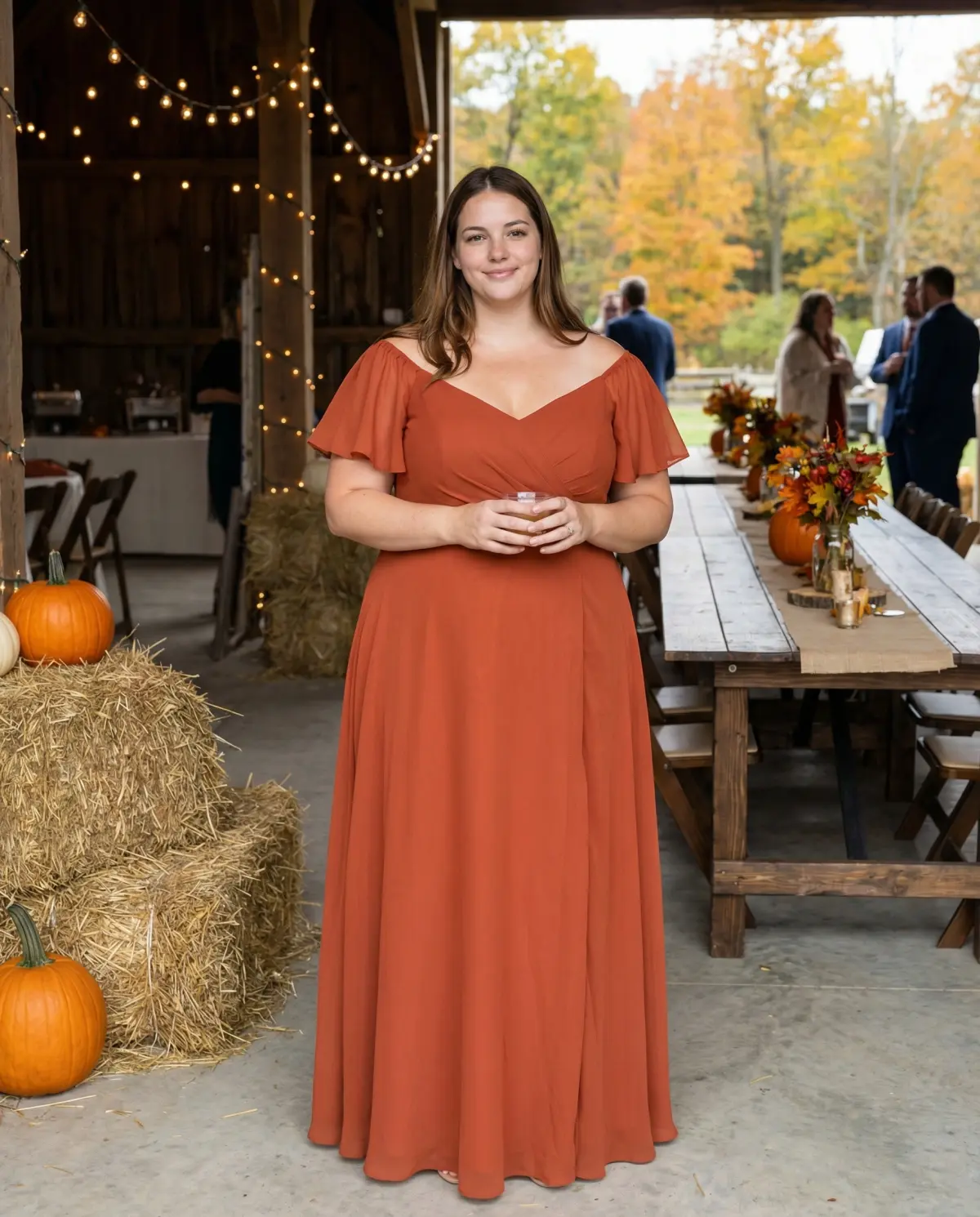
Burnt orange and pumpkin spice — be careful. Every single October wedding has at least three guests in burnt orange. If you love the shade, opt for rust or terracotta instead, which read more sophisticated and less Pinterest.
White, ivory, and cream are still off-limits no matter how creative the styling — that's bridal territory, and fall is no exception.
All-black for a daytime fall wedding is risky. Some cultural traditions still consider it inappropriate for daytime weddings (too funereal). For a 6 PM black-tie reception, black is fine. For a 1 PM outdoor barn ceremony, choose wine or charcoal instead.
Fabric Guide for Fall
Fabric matters as much as color in fall — partly for warmth, but mostly for how the dress reads in autumn light. Some fabrics that look fantastic in May will photograph flat and lifeless in October.
| Fabric | Best Month | Formality | Notes |
|---|---|---|---|
| Velvet | October–November | Semi-formal to black tie | Catches light beautifully, warmest, most evening-appropriate |
| Satin | All fall | Cocktail to black tie | Photographs richly, versatile, watch for flash-photo glare |
| Crepe | All fall | Casual to formal | The workhorse — drapes well, doesn't wrinkle, holds shape |
| Jersey | September–October | Casual to semi-formal | Comfortable for outdoor; choose heavier weight for drape |
| Lace | All fall | Semi-formal to formal | Overlay or full-coverage adds romance to fall palette |
| Wool blend / ponte | November | Formal | Winter-leaning, very structured, very warm |
| Jacquard / brocade | October–November | Cocktail to black tie | Textured, festive, unique — instant fall feel |
| Chiffon | September only | Cocktail | Lightweight, will read summery in November |
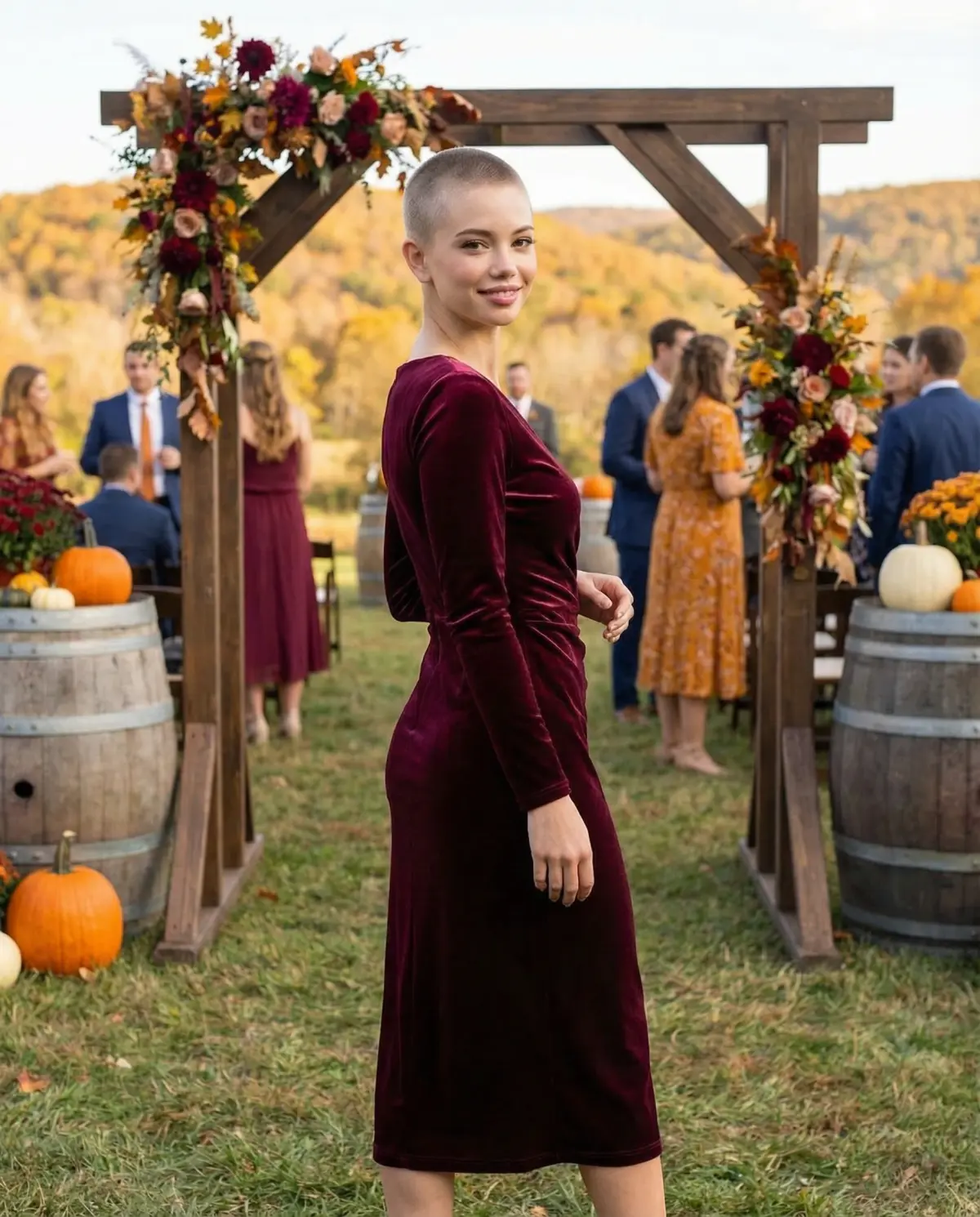
Velvet is the queen of fall fabrics. It's warm, formal, and catches candlelight in a way no other fabric does. A velvet midi or maxi is bulletproof for any October or November wedding above casual. Just avoid it in early September unless you know the venue is air-conditioned and the event is indoors.
Satin is the most versatile fall fabric. It works at every formality level and every month. Just be aware that very shiny satin can create harsh glare in flash photography — if you know the reception will be heavy on flash photos, opt for a matte satin or a satin-back crepe.
Crepe is the underrated workhorse. It drapes like satin, doesn't wrinkle, holds its shape through hours of dancing, and looks polished at every dress code. If you're investing in one fall wedding-guest dress, make it crepe in burgundy, navy, or emerald.
Lace in deeper fall tones (wine, plum, forest) gets you romance without leaning bridal. Skip white or ivory lace, and skip eyelet — eyelet always reads spring/summer.
Wool blends and ponte knits are exclusively for November and exclusively for formal venues. They're warm, structured, and take well to tailoring. A long-sleeve ponte midi is one of the smartest investments for late-fall weddings.
Venue-Specific Outfit Ideas
The venue dictates more than people realize. A satin slip dress that's perfect for a vineyard reception will look completely wrong at a church ceremony. Here are concrete outfits that work for the most common fall wedding venues.
| Venue | Outfit |
|---|---|
| Outdoor orchard, October | Rust midi + suede block heel + camel pashmina + small crossbody |
| Indoor barn / rustic | Emerald wrap dress + ankle bootie + structured tote + gold drop earrings |
| Vineyard / winery | Burgundy satin slip + dressy block heel + cropped wool coat |
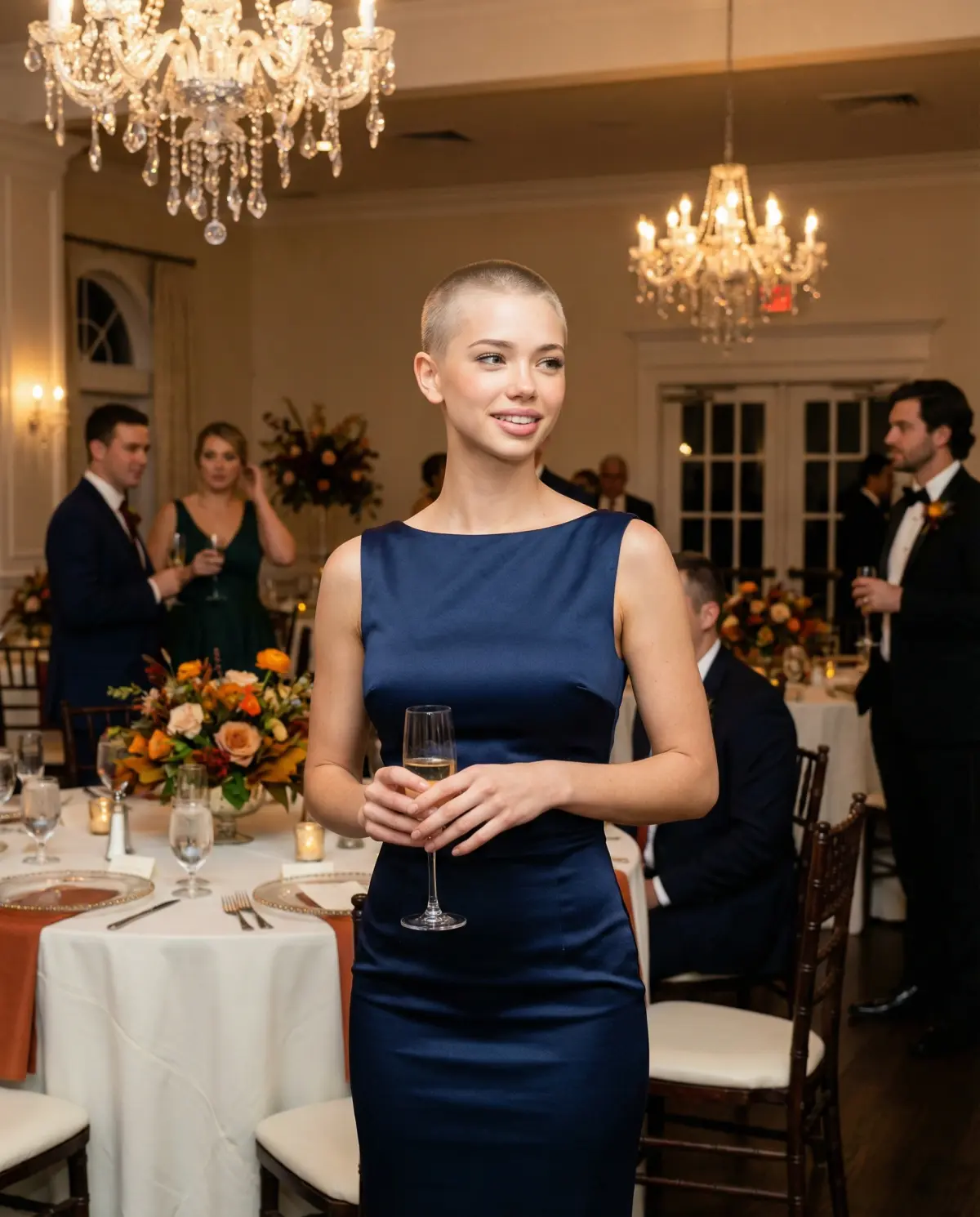
| Formal ballroom, October | Navy satin column + statement chandelier earrings + clutch + classic pump |
| Church, November | Long-sleeve velvet midi + tailored wool coat + closed-toe pump + simple gold |
| Estate or mansion, evening | Floor-length plum gown + faux-fur stole + heels + clutch |
| Brewery or industrial | Chocolate satin midi + ankle boot + leather jacket (for cocktail hour) |
| Beach or coastal, September | Dusty mauve midi + dressy flat sandal + linen-blend wrap |
For the orchard or barn: texture is your friend. Suede shoes, structured cotton or wool wraps, and matte fabrics fit the setting better than glossy satin and stilettos. The ground will be uneven — block heels or dressy ankle boots beat stilettos every time.
For the formal ballroom: lean into the polish. Smooth satin, classic silhouettes, statement jewelry, and a real pump (not a sandal) will photograph better and match the room's energy.
For the church ceremony: modesty matters. Cover the shoulders, keep the hem at or below the knee, skip dramatic slits or low-cut necklines. Save the saucier dress for the reception only if you can change.
The Layering Problem
The hardest part of fall wedding dressing isn't the dress — it's what you wear over it. Most fall weddings require some kind of outerwear for the ceremony or transition between venues, but a generic puffer coat or a leather jacket from your daily rotation will sabotage the entire outfit.
Here's how to layer without killing the look:
- Tailored long coat (NOT a puffer). A wool, camel, or cashmere-blend coat that hits at the knee or below, in a neutral or jewel tone. This is the single best fall wedding investment — it works for the ceremony, the after-party, and every fall event for years.
- Silk or wool wrap. Easier than a coat, more flexible than a shawl. Drape over the shoulders during the ceremony, around the waist or chair-back during dinner. Pick a color that complements (not matches) the dress.
- Structured blazer over a slip dress. Tailored, single-breasted, in black, navy, camel, or chocolate. Instantly elevates a satin slip into cocktail-appropriate territory and adds warmth without bulk.
- Tights for color and warmth. Sheer black or warm-tone tights extend the wearable life of a midi or knee-length dress into November. Skip patterned or fishnet — both read too fashion-forward for a wedding.
- Ankle boots for outdoor venues. A pointed-toe ankle boot in suede or leather, in black, brown, or burgundy, looks intentional with a midi and saves your feet from grass and gravel.
- Faux-fur stole for evening. For November black-tie events, this is the move. Photographs beautifully, keeps the cold off the shoulders, and adds drama without competing with the dress.
Do not bring a backpack, a tote bag from work, a puffer jacket, or a scarf you wear with jeans. Outerwear and accessories need to read "wedding," not "errand."
What NOT to Wear
A short list of things that will get noticed for the wrong reasons:
- White, ivory, or cream. Even in fall, even with a print, even if "the bride said it's fine." Don't.
- All black at a daytime fall wedding. Especially outdoor or daytime ceremonies. Pick wine, deep navy, or charcoal instead.
- Anything backless or strapless for outdoor November. You'll be miserable, and the photos will show it.
- Linen, eyelet, or white-based florals. They read summer and look out of place against fall foliage.
- Ultra-short minis at a formal venue. A formal fall wedding wants a midi or maxi, not a club dress.
- Sequins at a daytime barn wedding. Save sequins and heavy embellishment for evening cocktail or black-tie.
- Beachy sandals or strappy stilettos for outdoor venues. Block heels, ankle boots, or sturdy pumps.
- Costume-y fall prints. Pumpkins, autumn leaves, plaid that looks like a Halloween tablecloth. Sophisticated solid colors win.
- A coat that doesn't match the formality of the dress. Your puffer over a velvet gown looks like you got dressed in a hurry.
Fall Wedding Guest FAQ
What do you wear to an October wedding?
For an October wedding, the safest bet is a midi or maxi dress in a true fall color — burgundy, emerald, navy, rust, or plum — in satin, crepe, or velvet. October sits in the sweet spot where almost every fabric and silhouette works, but you should plan for cooling temperatures by 6 PM. Bring a tailored wrap, blazer, or long coat. For outdoor venues, choose block heels or dressy ankle boots over stilettos. Cocktail-length is fine for semi-formal weddings; floor-length is more appropriate for formal or black-tie. The single most important thing is to dress for the actual forecast at the venue, not the calendar — a 75-degree October Saturday in Charleston is a different event than a 48-degree October Saturday in Boston, and your fabric and layering should reflect that.
Can I wear a floral dress to a fall wedding?
Yes, but the print and palette matter more than the fact that it's floral. A fall-appropriate floral has a dark base color (burgundy, navy, chocolate, forest green) with smaller, deeper-toned flowers — not a bright white background with pink peonies. Velvet florals, jacquard florals, and dark-base painterly prints all work beautifully for fall weddings. Skip anything that looks like a spring garden party: white-based florals, bright pastels, large sunflower or peony prints, or eyelet florals all read out of season. As a rule of thumb, if the floral could double as a Mother's Day brunch dress, it's wrong for fall. If it could double as a fall fashion editorial, it's right.
What colors are appropriate for a fall wedding guest?
The strongest fall guest colors are burgundy, emerald, navy, plum, rust, terracotta, chocolate brown, oxblood, forest green, and warm camel. Trending 2026 picks include chestnut, cognac, dusty mauve, and olive. Avoid white, ivory, and cream (bridal territory), light pastels (read summer), and anything neon or fluorescent. Black is acceptable for formal evening fall weddings but can feel heavy at daytime outdoor celebrations — when in doubt, swap black for deep wine or charcoal. Burnt orange is fine but extremely common in October, so if you want to stand out a bit, choose rust or terracotta instead. The goal is a color that looks rich and intentional against fall foliage and warm reception lighting, not one that fights the season's natural palette.
Is it okay to wear black to a fall wedding?
Black is generally fine for evening fall weddings, especially formal and black-tie events. For daytime or outdoor fall weddings, black can feel too heavy or somber, particularly at celebrations with a rustic, garden, or vineyard vibe. Some cultural traditions still associate all-black with funerals, so consider the bride and groom's background. The safest approach: if the wedding is after 5 PM, indoors, and semi-formal or above, black is welcome. If it's a daytime outdoor wedding or has a rustic aesthetic, swap black for a deep burgundy, navy, or charcoal — you'll get the same slimming, easy-to-style effect without the somber association. Black accessories (clutch, shoes, belt) are always fine regardless of the dress color.
Do I need to wear long sleeves to a fall wedding?
Not necessarily, but it depends on the month, venue, and forecast. For September weddings, sleeveless and short-sleeve dresses are perfectly appropriate, especially with a wrap for cooler evenings. For October, sleeveless is fine if you bring a structured blazer or wrap. For November weddings, long sleeves become much more practical — both for warmth and because they match the heavier formality of late-fall events. Outdoor November weddings essentially require sleeves or substantial layers. If you fall in love with a sleeveless dress and the wedding is in late fall, plan the layering carefully: a tailored coat for the ceremony, a wrap for dinner, a faux-fur stole for the dance floor. Being cold and uncomfortable will ruin the night faster than any outfit choice.
What shoes work for an outdoor fall wedding?
For outdoor fall weddings, prioritize stability and warmth over fashion-first stilettos. Block heels (2–3 inches) in suede or leather are the gold standard — they don't sink into grass or gravel, they're comfortable for hours of standing, and they look polished. Dressy ankle boots in suede or leather work beautifully for rustic, barn, or vineyard venues, especially with a midi dress. Wedges are acceptable but lean casual. Avoid stiletto heels (will sink into the ground), strappy sandals (too summery and your feet will freeze), and platform shoes (look out of place at most fall weddings). Closed-toe is generally smarter than open-toe for outdoor fall events. For November outdoor weddings, opt for a closed-toe pump or pointed-toe ankle boot — your toes will thank you.
See Fall Looks on Yourself
The hardest part of shopping for a fall wedding-guest dress isn't picking a color in the abstract — it's knowing which of those colors actually flatter you. Burgundy looks completely different on warm-toned skin versus cool-toned skin. Emerald can be jaw-dropping on one person and dull-looking on another. The only way to know is to see the dress on you, not on a model.
That's where AI try-on saves you a hundred dollars in returns. Upload one photo, and you can try it on with TryMyDress in burgundy, emerald, navy, rust, plum, chocolate, and every other fall shade, plus different silhouettes — slip, A-line, fit-and-flare, column, midi, maxi — to see what actually works on your body and your coloring. You'll walk into the store (or check out online) knowing exactly what to look for, and you'll skip the dressing-room photo dump that usually decides these things.
Take fifteen minutes before you buy: pick your top three color contenders, try it on with TryMyDress, and let the photos tell you the answer. The fall wedding deserves an outfit that looks like it was made for you — and the only way to get there is to see yourself in it first.
Where to Shop
Once you know which styles look best on you, shop here:
- Nordstrom – Widest US selection of fall wedding-guest dresses in burgundy, emerald, navy, rust, and plum — with free shipping and returns for trying two options. Shop Nordstrom →
- Revolve – Velvet midis, satin slip dresses, and jewel-tone gowns built for autumn events. Strongest editorial selection for semi-formal and black-tie fall weddings. Shop Revolve →
- Anthropologie BHLDN – Warm burgundy, rust, and plum midi and maxi wedding-guest dresses with texture and detail — built for rustic barn, vineyard, and garden ceremonies. Shop BHLDN →
- Reformation – Deep wine, oxblood, and emerald silk slip dresses that photograph beautifully under candlelight — perfect for fall evening weddings. Shop Reformation →
Explore These Styles
See AI-generated images for these dress silhouettes:
- Sheath Dresses →Slim, form-fitting silhouette that skims the body.
- Fit & Flare Dresses →Fitted through the bodice and hips, flaring out at the knee.
- Column Dresses →Straight, narrow silhouette that follows the body's natural line.
- Wrap & Asymmetric Dresses →Draped fabric with asymmetric hemlines or wrap details.